
During my separation and divorce, I put my foot on the gas to enjoy my newfound freedom.
After all, I was no longer on that Good Dad™, provider-workhorse bullshit.
No wife telling me to cut down on drinking. More free time. Room to maneuver. No more Cyber Leash.

I hit restaurants, bars, and clubs in a whirlwind of newfound liberty. At first, I figured I was simply getting the party phase out of my system. But eventually, I noticed drinking had started leaking into other parts of my life.
Divorce paperwork, for example.
Filling out forms. Printing. Scanning. Emailing. Reviewing agreements. More fucking forms.
I’d started bringing my laptop to breweries and drinking just to get through the administrative tedium of disentangling myself from my old life.
Then I caught myself anticipating the cold beer after dropping my daughter Nina off.
Not because I was going anywhere special. The beer had become my reward for finishing a parenting shift.
When was the last time I’d gone an entire week without drinking?
I couldn’t remember.
I’d successfully taken breaks during my marriage, but I always returned to drinking. The first day back was treated like a celebration. And celebrations involved—you guessed it—drinking. Most of my social circle consisted of couples who drank, so booze was simply part of the routine.
Now I had fewer domestic constraints and considerably more opportunities to drink.
The system had changed. My habits hadn’t.
Around that time, I met two friends who had gone completely sober. One had been at it for more than a year. The other was four years in.
That got me thinking about running my own experiment.
30 days without drinking.
I initially figured I’d keep weed in the rotation. I’d occasionally have a THC seltzer or pop a gummy, and it seemed like a reasonable alternative.
That assumption wouldn’t survive the experiment.
For completeness, ketamine, cocaine, meth, molly, nicotine, shrooms, and LSD were also prohibited.
Not that I’d been having problems with those.
But a proper experiment requires clearly defined parameters.
30 days of raw-dogging reality.
Here’s what happened.
The First-Drink Problem
Before the experiment, drinking served several overlapping functions. It was a reward after work or parenting, a way to transition into off-duty mode, and a social lubricant at bars, parties, and dates. It also made boredom, music, and otherwise ordinary evenings a little more stimulating.
The problem wasn’t that I constantly craved a drink.
It was what happened after the first one.
I’d set a limit. Two beers, maybe three. Reasonable enough. Then I’d have the first one, and suddenly the original deal was open for renegotiation.
One more wouldn’t hurt. Maybe another after that.

My previous attempts at drink limits had repeatedly failed. Abstaining for a defined period was manageable. Stopping once I’d started was considerably harder.
Around this time, my YouTube algorithm apparently detected that I was reconsidering my relationship with drinking.
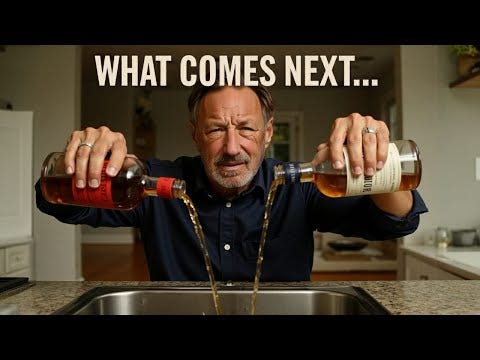
A video by Dr. Crowe from Second Hand Recovery appeared in my feed. He described how, for some people, the first drink can effectively flip a switch, making subsequent drinking much harder to control.
That sounded suspiciously familiar.
I wasn’t sure how literally to interpret the neurological explanation, but the behavioral pattern matched my experience. My problem wasn’t always deciding whether to drink. It was getting the first drink to honor the terms of the agreement.
Weed was another animal.
My use was less frequent, and I generally had an easier time controlling it. But during the initial drinking break, I noticed myself reaching for THC seltzers to reproduce the relaxation and altered state I was no longer getting from booze.
Apparently, the substance had changed. The objective hadn’t.
One evening, I was sipping a THC Paloma when another Dr. Crowe video came on. This time, he was discussing how people substitute weed for drinking, trading one substance for another instead of learning to function without either.
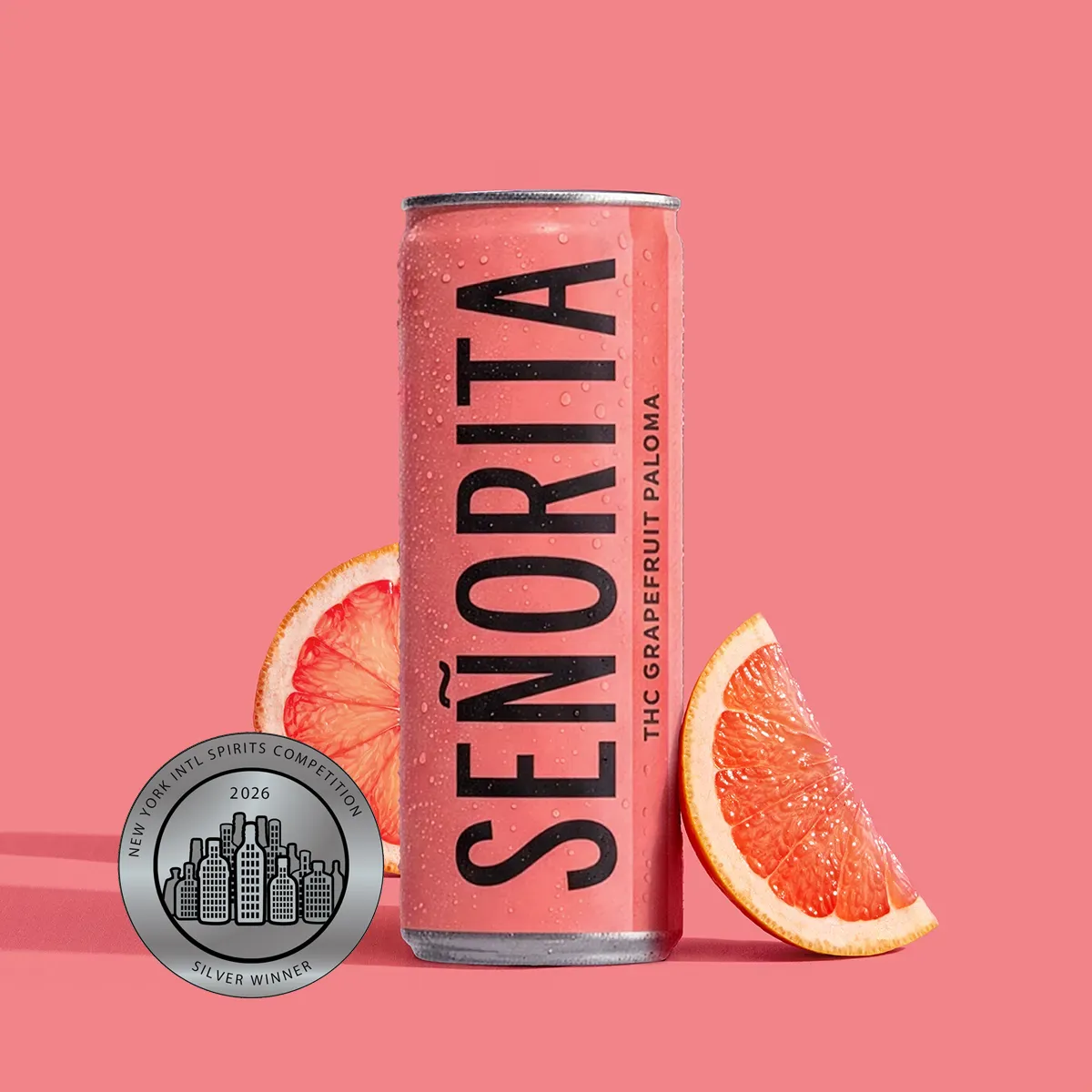
The Paloma started kicking in right around that part.
Well shit.
My YouTube algorithm had already become my probation officer.
The point was difficult to ignore. If I stopped drinking but simply replaced the evening buzz with weed, what exactly was I testing?
My ability to change drugs?
So I expanded the experiment.
No drinking. No weed.
Thirty days without chemical assistance.
The Replacement Beverages
Removing booze didn’t mean I had to spend thirty days drinking tap water like some poor. Part of drinking was the ritual: the hiss of opening a can, ordering something at a bar, or having a drink to mark the end of the workday.
I wanted to see whether I could keep the ritual without the buzz.
Club Soda with Lime
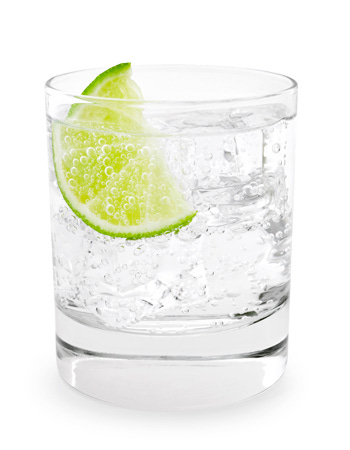
The cheapest and most reliable option at a bar. Cold, carbonated, and served with a lime wedge. Where I live, it’s often free, and the bartender doesn’t even expect a tip. I still leave a dollar.
Heineken 0.0 Cold Pressed Lime
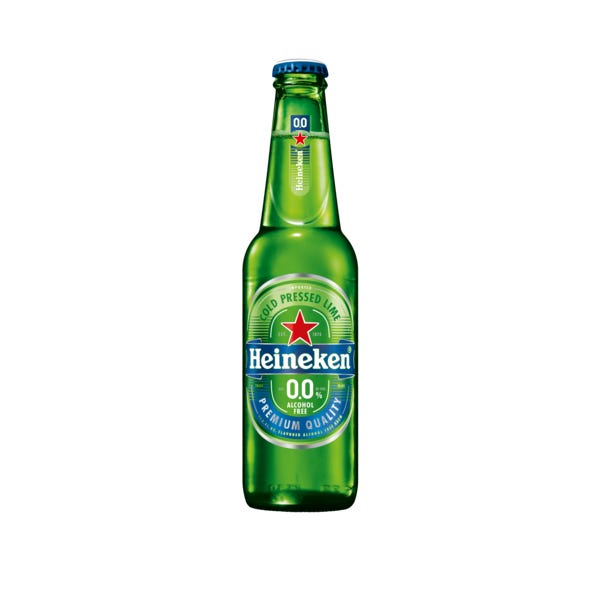
A crisp, citrusy nonalcoholic lager that scratches the cold-beer itch. I find the taste better than a real Heineken and keep these stocked in my fridge.
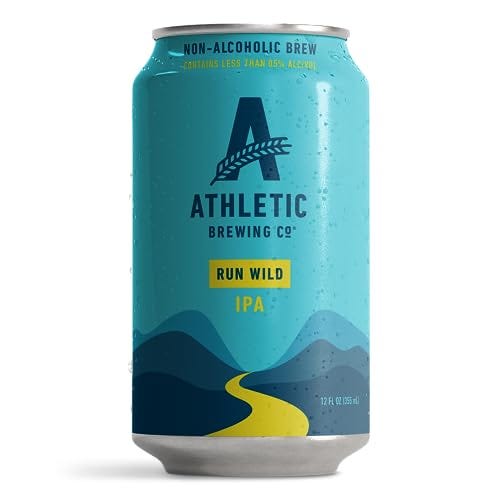
Athletic Brewing Run Wild IPA

A more traditional IPA with piney, citrusy hops and a noticeable bitter finish. A solid option when I wanted something resembling craft beer rather than sparkling water with a marketing department.
Athletic Brewing Free Wave Hazy IPA
Juicier and more tropical than Run Wild, with a softer, hazier profile. Good for occasions when I wanted a hazy IPA without sacrificing the following morning.
Sierra Nevada Trail Pass Hazy IPA
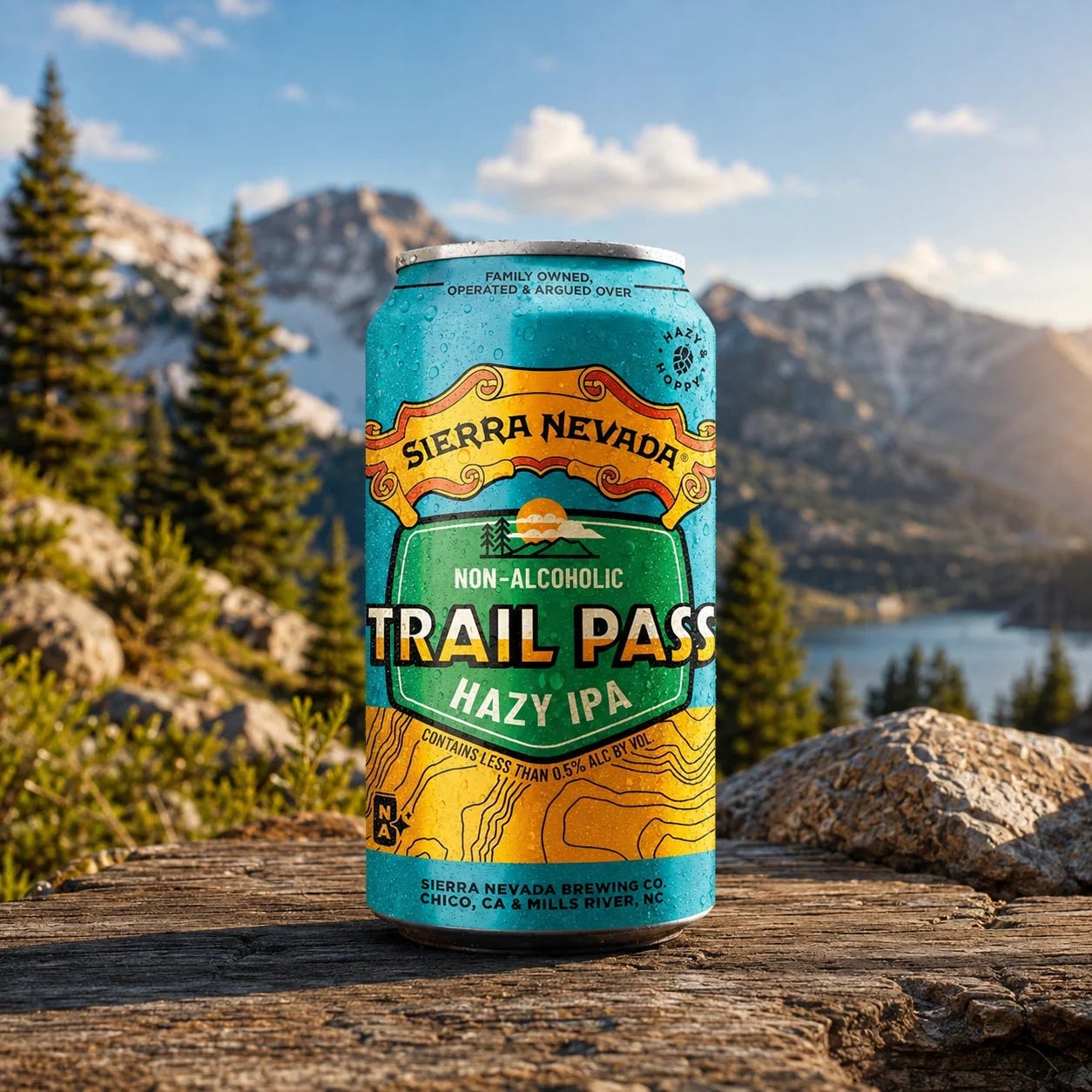
My favorite nonalcoholic beer by far. It tastes remarkably close to the real thing, with the fuller body and juicy character I actually enjoy.
The interesting discovery wasn’t that these drinks perfectly replicated booze. It was that I could preserve most of the ritual without needing the buzz.
Health and Mental Clarity
The clearest benefit was that mornings stopped being shitty.
Dare I say, they were actually great.
Without drinking or weed, I woke up with less grogginess, more consistent mental alertness, and considerably easier time jumping out of bed. I felt rested even with less sleep and had enough momentum to meditate, eat breakfast, exercise, or knock out errands before noon.
Nothing revolutionary.
I was simply waking up ready to fire instead of languishing.
Weed, it turned out, had its own version of a hangover.
20 mg of THC consumed over several hours could leave me substantially groggy the following morning. 10 mg was more manageable, but the difference between a weed morning and a completely sober one was still stark.
And this wasn’t from getting blasted right before bed. I generally drank the THC seltzers in the afternoon or early evening.
Consuming them earlier might have reduced the next-day effects, but I hadn’t tested that. What I had tested was waking up without either substance in my system.
The difference was difficult to overlook.
By the end of the break, crisp mornings no longer felt like some special achievement.
They were becoming the baseline.
Fitness
The biggest fitness benefit wasn’t some dramatic improvement in strength, muscle, or endurance.
It was simply being able to get my ass to the gym.
Without hangovers or groggy mornings, I could handle my morning routine and still have enough momentum to work out before noon. Exercise stopped being something I had to negotiate with my previous night’s decisions.
I wasn’t tracking weight, strength, or body composition, so I couldn’t quantify the improvement. But removing drinking and weed gave me more usable training days.
And after about two weeks without drinking, my beer belly mysteriously disappeared.
Nice.
I couldn’t say how much was fat loss versus reduced bloating, but the visual improvement was noticeable.
The better mornings also made it easier to support my workouts with actual cooking instead of Uber Eats or DoorDash, more water, and more consistent sleep.
There was, however, an unexpected development.
I started getting a sweet tooth.
Normally, I don’t give a shit about dessert. But after cutting out drinking, I found myself eyeing ice cream, doughnuts, and cookies at the grocery store.
I also started drinking more coffee and walking to coffee shops. Apparently, removing booze didn’t eliminate my desire to pay someone to serve me a drink.
The walks had another benefit: they forced me out of my apartment.
I’d removed cocktails from the equation, and suddenly the dessert aisle was making advances while the local barista collected the revenue.
Maybe I was looking for another source of stimulation or reward. Maybe I just liked having somewhere to go and something to drink. I hadn’t exactly conducted a controlled study.
But the timing was obvious.
I guess sugar and caffeine might be the real drugs.
Productivity and Executive Function
My productivity shot up almost immediately.
Without hangovers or weed-induced grogginess, I started knocking out menial tasks I’d kept postponing.
My backlog included transferring bills and utilities to Dad Lab 2.0, packing and organizing the move, getting groceries and moving boxes, maintaining work and parenting routines, and actually folding my fucking laundry.

I also had to deal with a traffic citation for not having a registration decal on my license plate. I’d been pulled over, and now I needed to investigate the citation and secure a new court date.
Another administrative headache requiring attention, as if the divorce hadn’t already supplied enough paperwork to qualify as a part-time government job.
The improvement wasn’t simply that sobriety gave me more hours in the day. It reduced friction. Boring tasks no longer required an extended internal negotiation, and I was more likely to handle them before they escalated into larger problems.
Drinking had been costing me twice: the hours spent doing it and the activation energy required to get moving the following day.
Removing it didn’t suddenly make paperwork, moving boxes, or laundry amazing.
It just made them easier to execute.
Apparently, I hadn’t needed more time. I’d needed fewer hoops between deciding to do something and actually doing it.
Parenting
One of the more noticeable benefits was how I handled a crying, grumpy, or generally pissed-off toddler.
Nina hadn’t suddenly become easier to parent. She was still two years old, with all the emotional regulation you’d expect from someone who occasionally considers the wrong pasta shape a personal attack.
But I had more patience.
When she was cranky, I wasn’t just powering through until the parenting shift ended. I could deal with the situation without feeling like I was fighting two battles: one against toddler bullshit and another against my own depleted energy.
I was less reactive, less irritated, and more willing to deal with whatever nonsense the day had scheduled.
The other change came after the handoff.
Previously, finishing my parenting responsibilities often triggered the desire for a drink. The shift was over. Time to clock out.
Except parenting doesn’t come with an employee lounge.
So I started replacing that ritual with writing, going for walks, or knocking out chores. Nothing particularly glamorous, but I was getting things done instead of celebrating my freedom by compromising the following morning.
Dating and Social Confidence
One of the more useful discoveries was that drinking wasn’t responsible for my social skills.
I’d already been practicing cold approaches before the experiment, so I kept doing them. Turns out I could approach women during the day, too.
Who knew?
Apparently, meeting women didn’t require a bar, a bartender, or a blood alcohol concentration above zero.
I even managed to get two dates out of one of those approaches.
The girl eventually friend-zoned my ass.
Still, two dates. Not bad for an operation conducted without chemical assistance.
There was also a Meetup event on the Neon Vein. I ordered a mocktail and started bouncing between groups, making conversation, meeting people, and generally behaving like a functioning member of society.
No booze required.
One unexpected downside of sober nightlife was that I started getting sleepy at a reasonable hour. I’d find myself yawning and rarely felt like staying out past midnight.
Drinking had the opposite effect. A few beers could give me an energy surge, and suddenly I’d be extending the night, bouncing between bars, and finding myself somewhere I hadn’t planned on being at 3 a.m.
Without booze, my body actually had a closing time.
More importantly, I was becoming fine around people who were drinking without automatically joining them.
At first, socializing sober required more deliberate effort. Without a couple of drinks to loosen things up, I had to generate my own momentum. But the more I did it, the less awkward it felt.
That raised an interesting question: how much of my social confidence actually came from drinking, and how much was confidence I’d already had but simply expressed while drinking?
I’d been treating booze like borrowed courage, with repayment due the following morning.
Practicing sober removed the ambiguity.
If I approached a woman, held a conversation, or worked a room successfully, I couldn’t credit the bartender.
And if I was awkward?
Well, that was apparently me, too.
Useful information either way.
Cravings and Triggers
The cravings weren’t constant. They tended to appear in specific situations, usually when my brain recognized an opportunity to resume an old routine.
One afternoon, I was returning my shopping cart at the grocery store. Sunny day. Nice weather. Perfect conditions for a draft beer at a patio bar.
The thought appeared almost automatically.
I wasn’t stressed or particularly interested in getting drunk. I was just standing in a parking lot enjoying the weather.
Apparently that sunshine had become a drinking cue.
Another trigger was finishing work early. Since I worked from home, there wasn’t even a change of environment to separate work from winding down. Without a beer or THC seltzer, I sometimes found myself wondering how to officially segue into relaxation mode.
The work was done.
Now what?
The same thing happened after parenting. Once Nina was back with her mom, my brain would suggest celebrating with a cold beer.
The underlying desire wasn’t necessarily to get fucked up. Sometimes I just wanted a clear separation between obligations and leisure.
I’d gotten accustomed to letting a substance establish that boundary.
Then there was the social trigger.
That one actually broke the streak.
The Day Party Incident
Someone got me into a day party and introduced me to his group.
Good atmosphere. New people. Free drinks.
He kept offering me booze. Initially, I held the line. I even threw away the first shot he gave me.
Operation intact.
Except the offers continued.
Somewhere between the hospitality, the group momentum, and the appeal of participating, I accepted another drink.
Then the original plan started losing its authority.
It wasn’t because booze was just sitting there. I’d already been around people drinking without caving. This time, someone was bringing me into his group, and the drinks were part of that package.
Nobody forced me to drink. I still made the decision.
I’ve rejected drinks in the past, but this situation was different. There was more pressure when you were around an entire group taking a free shot. Also I didn’t know how to refuse when the offers kept coming.
One rejection wasn’t a permanent firewall.
The following morning, I reset the counter.
Day 0.
Just back to business.
Next time, I’d need to be more direct about not drinking, order something else, or just bounce if the situation became more trouble than it was worth.
The Weed Loophole
Weed was a completely different issue. I didn’t have the same problem stopping once I started. Unlike a beer, THC seltzers and edibles tended to lock me down for a solid block of time. You’re considerably less likely to get into shenanigans when you’re chained to your couch.
But when those THC seltzers were sitting in my fridge, my mind would naturally gravitate toward them.
Should I have one tonight? It’s only 5 mg. I’m done with work, and tomorrow isn’t particularly busy.
A perfectly reasonable negotiation over something I’d supposedly agreed not to consume for thirty days.
Once I removed them from the fridge, the internal debate largely disappeared. I didn’t necessarily need stronger willpower. I needed to remove the opportunity to bargain with myself.
The biggest benefit of cutting out weed was waking up without the lingering grogginess. And after thirty days, my tolerance had dropped noticeably. I’d read that a month can be enough for a substantial tolerance reset, particularly for occasional users, although I hadn’t exactly conducted a laboratory assessment.
What I knew was that I could wake up clearheaded without having to account for whatever I’d consumed the previous evening.
The Cost of the Habit
Beyond the improvements in mornings, fitness, productivity, and parenting, there was another benefit.
My bank account.
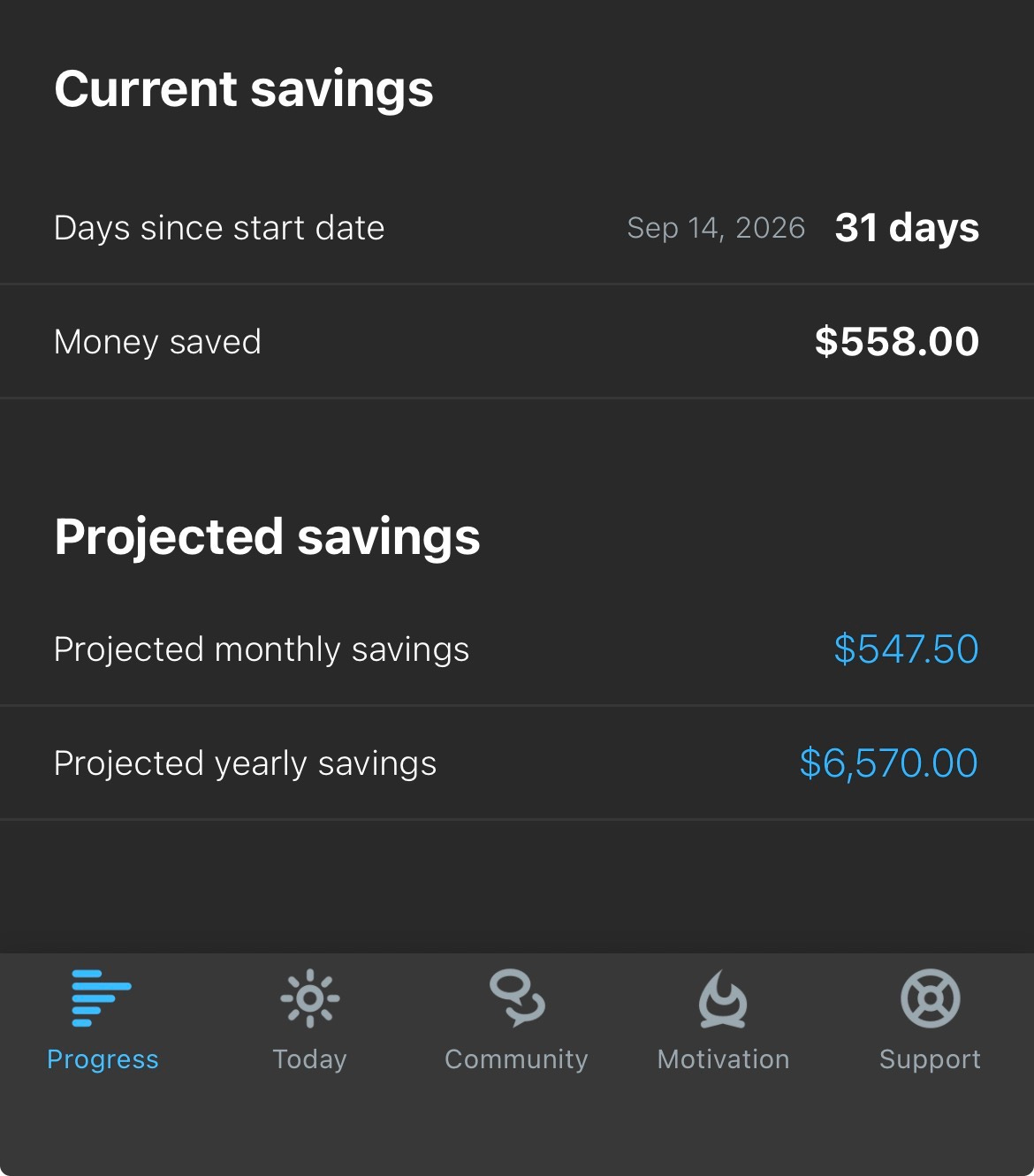
I’d been tracking my drink-free period using the I Am Sober app, which estimated how much money, time, and calories I was saving based on my previous habits.
I’d previously used a more comprehensive app called Reframe, which helped when I was first experimenting with sobriety. Eventually, I got tired of daily journaling and lessons. I wanted something lower-maintenance.
I’d also used YNAB to track my spending, so the financial estimate in I Am Sober wasn’t entirely pulled out of my ass.
I checked the numbers on day 31—one day beyond my original goal, and 31 consecutive days without drinking since resetting the counter after the day-party incident.
The app estimated that I’d saved $558, 77 hours and 30 minutes, and 6,200 calories over that period.
That’s more than three full days of my life.
And $558 that hadn’t disappeared into a bartender’s retirement fund.
Apparently, drinking had been running a fairly expensive subscription service in the background.
Of course, that didn’t account for the nonalcoholic beers, extra coffee, and increasingly frequent visits to coffee shops. Apparently, quitting drinking hadn’t axed my beverage budget. It had just diversified the portfolio.
So the $558 wasn’t necessarily money sitting in my bank account. It was an estimate of what I hadn’t spent on booze, before accounting for the replacements.
Based on my previous habits, the app projected annual savings of $6,570, approximately 912 hours, and 73,000 calories.
That’s roughly 38 days.
More than five weeks of my life.
These were estimates based on my reported habits, not precise measurements. The annual projections also assumed the same pattern continued.
But even allowing for some generous accounting, the gains were evident.
I’d been thinking about drinking primarily in terms of how it affected how my body felt, not the cumulative cost.
The money was one thing. Even after accounting for replacement drinks, the potential savings weren’t trivial.
But the time was also interesting.
I’d been complaining about not having enough hours for work, parenting, exercise, dating, and everything else.
Meanwhile, I’d apparently been operating a part-time drinking department.
With terrible benefits.
The Next Phase
Thirty days of raw-dogging reality had answered the main question.
I proved I could socialize, date, parent, exercise, and enjoy myself without drinking. In several areas, I even functioned better.
The experiment also confirmed that moderation remained a problem. My attempts to establish drink limits had routinely failed, and the day-party incident demonstrated how quickly the original agreement could become negotiable.
For me, not starting was easier than deciding when to stop.
My next goal was to extend the drinking break to sixty days, then ninety. I wasn’t particularly interested in making grand declarations about the rest of my life. I wanted to see what happened when the experiment continued.
Weed would require a different approach.
I’d already decided against smoking through pipes, and I wasn’t interested in vape pens. They’re sleek, discreet, and ridiculously convenient. Occasional use can sneak up on you, and before you know it, you’re hitting the damn thing during your morning scroll.
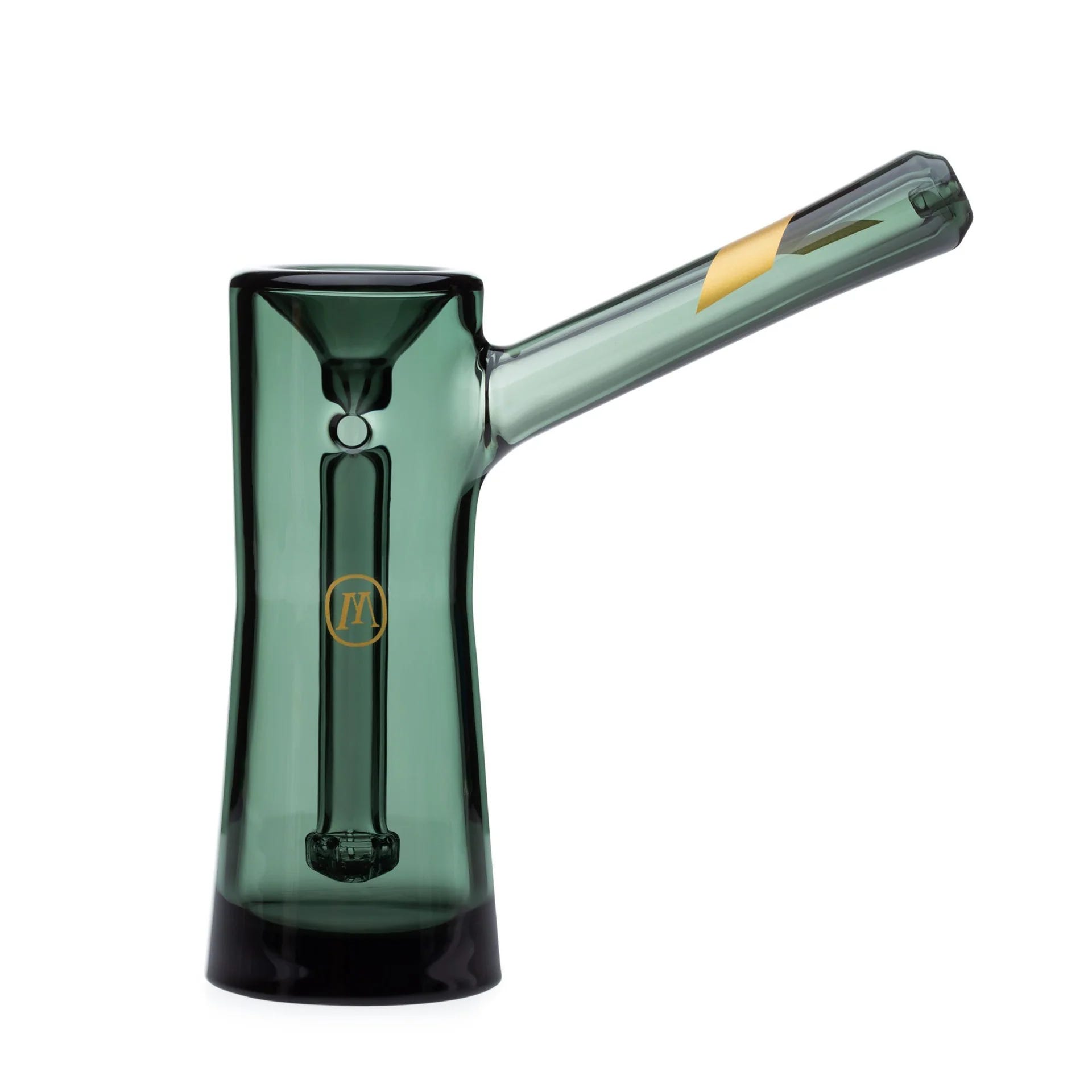
I preferred THC seltzers because I could control the dose and generally experienced a more gradual onset. Each sip was essentially a microdose. Edibles were another option, although they required more patience and offered less opportunity to adjust once consumed.
If weed was going to remain part of my routine, occasionally needed an operational definition.
Low doses. No consecutive-day use. No weed while on dad duty or before driving. No using it to suppress a drinking craving. And if it started compromising sleep, productivity, or clear mornings, another break.
I’d also keep track of why I was using it, how much I consumed, and how I felt the following morning.
Nothing particularly elaborate. Just enough structure to prevent occasionally from quietly becoming whenever I feel like it.
The larger discovery was that I’d spent years using drinking to mark the transition from obligation to freedom.
Work was over. Parenting shift complete. Divorce paperwork submitted. Time for a beer.
Except the reward kept taking something from the following day.
I’d spent the first part of my separation celebrating the removal of restrictions.
Thirty days later, I was discovering the benefits of imposing a few of my own.
PS Going through a divorce or figuring out life afterward? I offer 1:1 Life After Divorce Sessions ($75 / 45 minutes) to talk through dating, fatherhood, rebuilding your routines, and figuring out what the hell to do with your newfound freedom.
No generic self-help bullshit. No motivational speeches. Just a practical conversation with someone who’s been through the machinery and lived to write about it.
Modern life rarely announces what it’s becoming.
The patterns show up first.
🔒 Paid subscribers get future rabbit holes, exclusive field reports, and the complete Deadbeat Zaddy archive.


From the Vault:
Poison for the Heart • The Heartiste Maxims • The Desi Playboy Manual • The Bonecrker Codex — free download
Z-Ledger:
A private net worth & financial clarity tool I use to track the rebuild.
Launch →
Same place here. Drinking habit but not an alcoholic. Can relate to wrecked sleep and the hangovers. Been going at being sober a few days now.